
Loading...
Serving Essex, VT and surrounding areas. (802) 876-8645
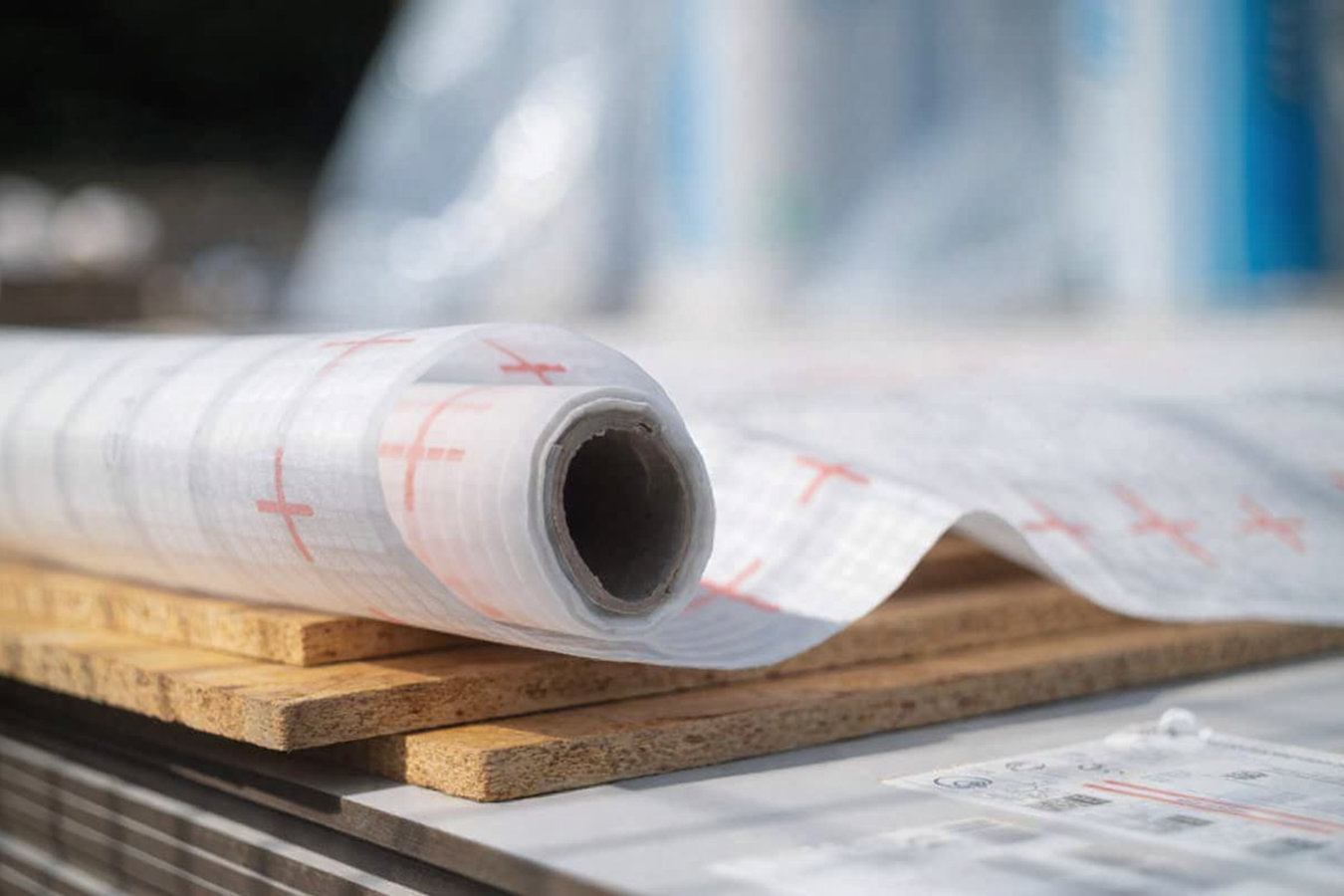
Crawl space and basement moisture compounds quietly every year. A properly installed vapor barrier seals the source before it reaches your floors, framing, and heating bills.
Crawl space and basement moisture compounds quietly every year. A properly installed vapor barrier seals the source before it reaches your floors, framing, and heating bills.
Vapor barrier installation in Essex means laying heavy-duty plastic sheeting across your crawl space or basement floor and running it up the foundation walls so ground moisture cannot rise into your home's structure. Most jobs are completed in one full day, and your living areas are not disturbed at all during the work.
The material matters as much as the installation. Sheeting that is too thin tears under foot traffic or pest activity and lets moisture back in within a season. Quality barriers use thicker polyethylene - typically 10 to 20 mils - with all seams overlapped and taped so there are no gaps. If your home is more than 30 years old and has never had this work done, there is a real chance the crawl space has been accumulating moisture damage quietly for years. Pairing vapor barrier installation with a full crawl space vapor barrier assessment ensures the whole lower envelope is addressed in the right order.
Essex has a varied housing stock - full basements, crawl spaces, and slab foundations - depending on neighborhood and era. The right approach, and the cost, varies by foundation type. A contractor who knows the local housing stock can assess your specific situation quickly rather than applying the same solution to every home.
If your hardwood or laminate floors feel noticeably cold underfoot during Vermont's long winters, or if there are spots that feel slightly spongy when you walk on them, moisture from below is likely the cause. Cold, damp air rising from an unprotected crawl space robs your floors of warmth and, over time, can cause wood to swell, warp, or weaken. This is one of the most common complaints Essex homeowners notice before they realize the crawl space is the source.
A persistent earthy or musty odor in your basement or first floor - especially in spring after a heavy snowmelt - is a reliable sign that moisture is getting in from below. In Essex, the combination of spring thaw and clay-heavy soils in Chittenden County means this smell often appears in March and April. It does not always mean mold is present yet, but it means conditions are right for it to develop if the source is not addressed.
If you go into your basement or crawl space and see water droplets forming on the walls, white chalky deposits left by evaporating water, or dark staining near the floor, moisture is actively moving through your foundation. These are visible signs that the ground around your home is pushing water inward - and that a vapor barrier is likely overdue.
If you have owned your home for years and cannot remember the last time anyone looked at the crawl space, or if you bought an older home with no records of this work being done, an inspection is worth scheduling. Many Essex homes built before 1990 have either no vapor barrier or one that has deteriorated past the point of being useful. A quick inspection tells you exactly what you are working with.
We install vapor barriers in crawl spaces and unfinished basements throughout the Essex area, using polyethylene sheeting rated for the specific moisture conditions of each space. Standard installations cover the full floor and run several inches up the foundation walls with all seams overlapped and sealed with tape - not just butted together. When you can walk through the finished space and see a clean, continuous surface with no exposed ground and no loose edges, the job has been done right. For homes where the crawl space conditions warrant more, we also offer wall insulation paired with the barrier to address both moisture and heat loss at once, which can help qualify the project for attic air sealing rebate programs through Efficiency Vermont.
Every installation begins with a thorough assessment of the space. If there is old material that needs to come out, standing water, or signs of mold, we address those issues before any new barrier goes in. A vapor barrier installed over an unresolved problem traps moisture rather than blocking it. We also explain clearly whether your project is likely to require a permit from the Town of Essex so there are no surprises after the work is done.
Best for homes with a dirt-floor or concrete crawl space where ground moisture is the primary concern - the most common vapor barrier job in Essex.
Suits unfinished basements with an exposed concrete floor where ground moisture causes dampness, odor, or insulation degradation.
For homes with a degraded or thin original barrier - we remove the old material and install a quality replacement that will hold up for decades.
For crawl spaces where both moisture and heat loss are problems - combines the barrier with insulation on the walls to maximize protection and comfort improvement.
Essex sits in Chittenden County, where average snowfall exceeds 80 inches and the ground stays frozen for months before thawing in spring. When that snowmelt works its way into the soil around your foundation, it creates steady upward moisture pressure in crawl spaces and basements. This is not occasional dampness - it is a seasonal cycle that pushes moisture into the home's structure every single year without a proper barrier in place. Vermont's repeated freeze-thaw cycles - where temperatures swing above and below freezing dozens of times each winter - can also shift soil and stress a poorly secured barrier over time. That is why thicker, properly anchored material matters more here than it would in a warmer climate where the ground stays stable year-round.
The significant portion of Essex's residential neighborhoods built in the 1950s through the 1980s means many homes in this area were constructed before crawl space moisture protection was standard practice. We see this pattern regularly in Jericho and Shelburne as well, where the same older housing stock and cold-climate conditions create identical moisture challenges. Efficiency Vermont's weatherization programs offer genuine financial relief for qualifying projects - asking your contractor whether the work qualifies before signing anything takes five minutes and could meaningfully reduce your cost.
Tell us what you have noticed - an odor, cold floors, or a crawl space that has not been looked at in years. We ask a few basic questions and reply within one business day. Spring and early summer tend to be our busiest scheduling periods in Essex, so calling ahead gives you more flexibility.
We visit your home and physically inspect the crawl space - checking for existing moisture damage, measuring the space, and assessing accessibility. This visit typically takes 30 to 60 minutes, and you get a written quote based on what we actually find. Accurate quotes require seeing the space in person - the real condition of a crawl space often differs from what it looks like from the outside.
The crew removes any old or damaged material, cleans up debris, then lays the new barrier across the full floor and up the walls with every seam overlapped and sealed. The work is methodical but not loud - most of the noise comes from moving through a tight space. Your living areas are not affected.
Before we leave, we walk you through the finished work - showing you what a properly installed barrier looks like and pointing out any areas of concern we noticed during installation, like signs of past water intrusion or pest activity. The space is usable immediately after we leave - no curing or drying time needed.
No pressure, no obligation - just a clear, written quote so you know exactly what to expect before you decide.
(802) 876-8645We do not skip the crawl space assessment to get to the sale faster. If we find standing water, active mold, or old material that needs to come out first, we tell you exactly what needs to happen and in what order - before any new material goes in. Homeowners who have been burned by contractors who cut corners on prep appreciate knowing the sequence is right from the start.
The difference between a good installation and a poor one comes down to the seams. We overlap and tape every seam and secure the edges up the foundation walls - not just lay the plastic flat and call it done. Loose seams let moisture find its way around the barrier within a season or two. When we leave, you can look at the finished work yourself and see that it is continuous, flat, and fully secured.
Essex and the surrounding area have a specific mix of foundation types, soil conditions, and housing eras that shape how vapor barrier work gets done here. We know the difference between a 1960s ranch in Essex Junction and a newer Colonial on the edge of town - and we bring that local knowledge to the assessment. A contractor who works primarily outside Vermont will not know these conditions the way a local crew does. Building Performance Institute (BPI) certification standards inform how we evaluate homes as systems, not just isolated spaces.
We know how Efficiency Vermont's weatherization rebate programs work and can help you understand whether your vapor barrier project qualifies before you commit. For homeowners who also need insulation work, combining both services in one project can improve your rebate eligibility. Checking this before the work begins - not after - is the move that makes a difference.
Vapor barrier installation is one of those jobs where doing it right the first time costs far less than fixing it later. We work throughout Essex and the surrounding area, and every job comes with a written estimate, clear documentation of what was done, and a walkthrough before we leave so you know exactly what you paid for.
Seal the top of your home while the vapor barrier seals the bottom - together they address the two biggest drivers of heat loss in Vermont homes.
Learn MoreFocused crawl space protection using heavy-duty sheeting - the most common vapor barrier job in older Essex homes.
Learn MoreSpring slots fill fast - call now or request a free written estimate so you are protected before the next snowmelt season.