Loading...
Serving Essex, VT and surrounding areas. (802) 876-8645
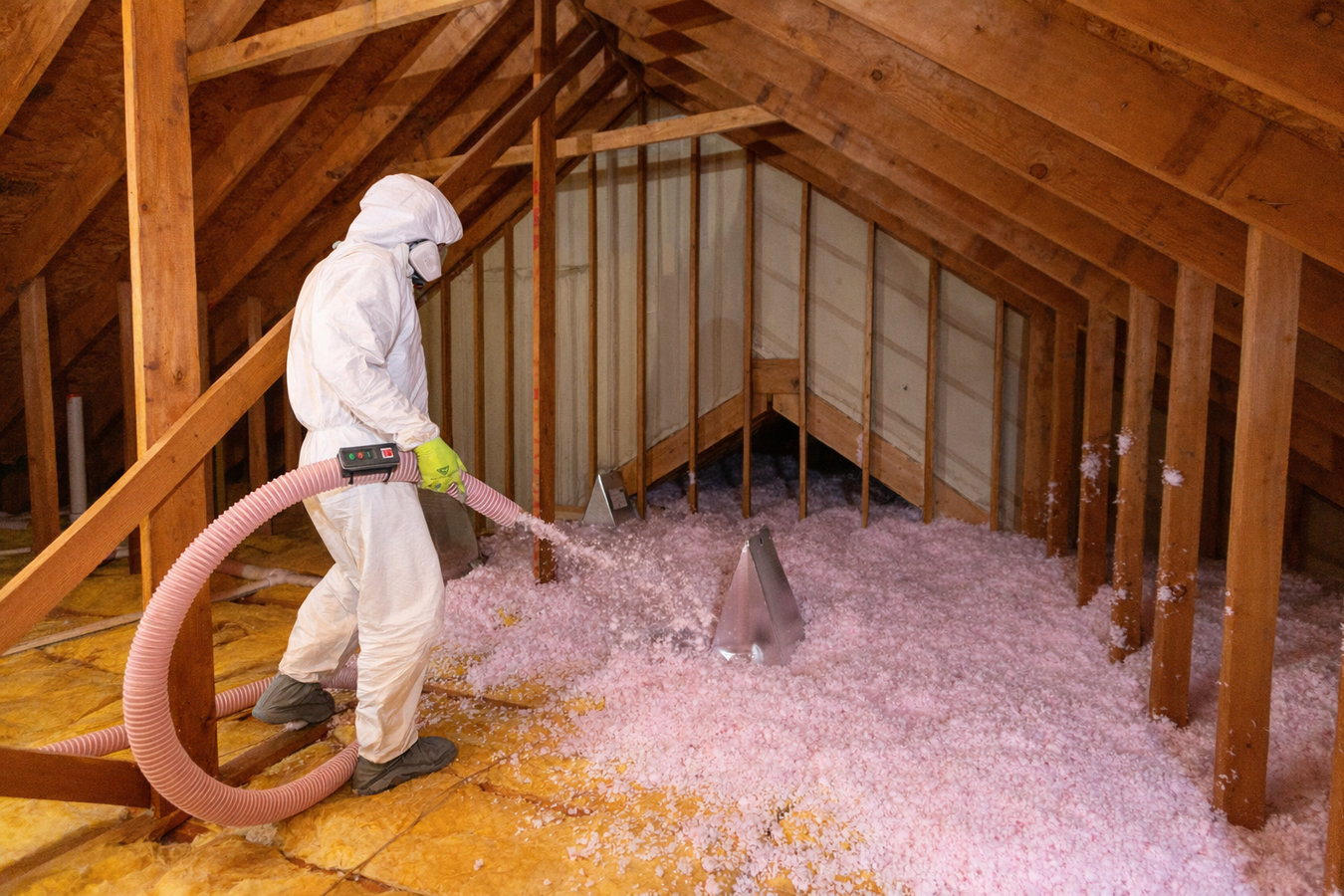
Vermont winters demand insulation that fills every gap. Blown-in material reaches corners and irregular spaces that batts simply cannot, giving your home the complete thermal barrier it needs.
Blown-in insulation in Essex, VT uses loose fiberglass or cellulose material fed through a large hose to fill your attic or wall cavities completely - most standard attic jobs take two to six hours from setup to cleanup. It is the go-to solution for older homes where batts cannot fit around wires, pipes, and irregular framing.
If you live in an Essex home built before the 1990s, there is a good chance your attic has never been properly insulated for Vermont winters. The result is a furnace or boiler that runs almost constantly in January - and heating bills that climb every year. Blown-in material fills those gaps completely, including areas that other insulation types miss. For homes needing wall coverage alongside attic work, our home insulation service addresses the full building envelope.
If your oil or propane invoices have crept up over the past few winters and nothing else has changed, heat loss through the attic is one of the most common causes. An under-insulated attic forces your furnace to run longer to keep up. This is especially common in Essex homes built before 1990.
Those thick ridges of ice that build up at the edge of your roof are a direct sign that heat is escaping through your attic and melting snow unevenly. It is a Vermont-specific problem that blown-in insulation combined with air sealing directly addresses. If you have had ice dams more than once, your attic insulation is almost certainly part of the problem.
When one bedroom or a room directly below the attic is always chilly no matter how high you set the thermostat, thin or missing insulation above that space is the likely cause. Look into your attic hatch - if you can see the tops of the ceiling joists clearly, you do not have enough coverage.
Hold your hand near the edges of your attic access panel on a cold day. If you feel a draft, warm air is escaping and cold air is getting in. Recessed light fixtures in older Vermont ceilings are also common air leak points. These signs mean both air sealing and insulation work are needed.
We install blown-in insulation in attics and enclosed wall cavities throughout the Essex area. For attic work, we always seal air gaps around light fixtures, pipes, and the hatch before blowing any material - skipping that step significantly reduces the benefit of the insulation itself. After blowing, we place depth markers throughout the attic so you can verify coverage yourself at any time.
For homes where the walls also need attention, we offer wall insulation using blown-in techniques that work through small holes without tearing out drywall. If your project also involves areas beyond the attic and walls, our broader home insulation service brings everything together in one coordinated project.
Best for homes with accessible attic space that need a cost-effective, complete thermal upgrade.
Best for existing homes where adding wall insulation without opening the drywall is the priority.
A good fit for homeowners who prefer a recycled-content material with strong thermal and sound-dampening performance.
A good fit for homeowners who want a lightweight, non-settling material with long-term stability.
Essex sits in one of the coldest climate zones in the continental United States. Average January lows drop well below 10 degrees Fahrenheit, and the heating season stretches from October through April. Vermont recommends insulation depths for attics that are significantly higher than most other states - and a contractor who quotes you a depth appropriate for Massachusetts or New York is undershooting what your home actually needs. Most Essex homes built between the 1950s and 1980s never received insulation upgrades, so the attic you have today is very likely losing heat all winter.
The freeze-thaw cycles Vermont gets each winter also matter here. Ice dams are a fact of life in Essex and in neighboring Colchester, and they are almost always linked to heat escaping through a poorly insulated attic. Efficiency Vermont also offers rebates for exactly this type of work - many homeowners see their real out-of-pocket cost come down meaningfully once rebates are applied.
We respond within 1 business day. We will ask a few basic questions about your home and schedule a free in-home estimate at a time that works for you.
An estimator visits your home for 20 to 40 minutes. They check what is already in your attic, measure square footage, look for moisture issues, and identify any air sealing needed before insulation goes in - all at no cost to you.
You receive a written estimate detailing the material, target depth, and total cost. We also let you know which Efficiency Vermont rebates your project qualifies for so you see your actual out-of-pocket cost before you decide.
The crew seals air gaps first, then blows the material in evenly and places depth markers throughout the attic. The whole process typically takes two to five hours. The crew cleans up before they leave and walks you through the finished work.
We respond within 1 business day - no obligation, no pressure. After you submit, someone from our office will call to schedule a free on-site estimate at a time that works for you.
(802) 876-8645We seal gaps around light fixtures, pipes, and the attic hatch before blowing any material. This step is just as important as the insulation itself - skipping it is why some attic jobs do not deliver the results homeowners expect.
We place small visible rulers throughout the finished attic so you can verify your coverage yourself at any time. You never have to take our word for it - you can look up through the hatch and see it.
We know how Efficiency Vermont rebates work and will walk you through what your project qualifies for before you commit. Many Essex homeowners leave this money on the table simply because the process feels complicated.
We install to the depths Vermont's climate demands - not to the minimums appropriate for milder states. A contractor who undershoots the required depth is leaving your heating system to make up the difference every winter. Vermont attics need significantly more coverage than most of the country.
Every job we do in Essex leaves depth markers you can check yourself and a written record of what was installed. We stand behind the work and we are easy to reach if you have questions after the job is done.
Full building-envelope insulation for Essex homes that need attic, wall, and basement coverage addressed together.
Learn MoreBlown-in wall insulation added through small holes in existing homes - no drywall removal required.
Learn MoreVermont winters are hard on under-insulated homes - call now to schedule your free on-site assessment before the cold season hits.