
Loading...
Serving Essex, VT and surrounding areas. (802) 876-8645
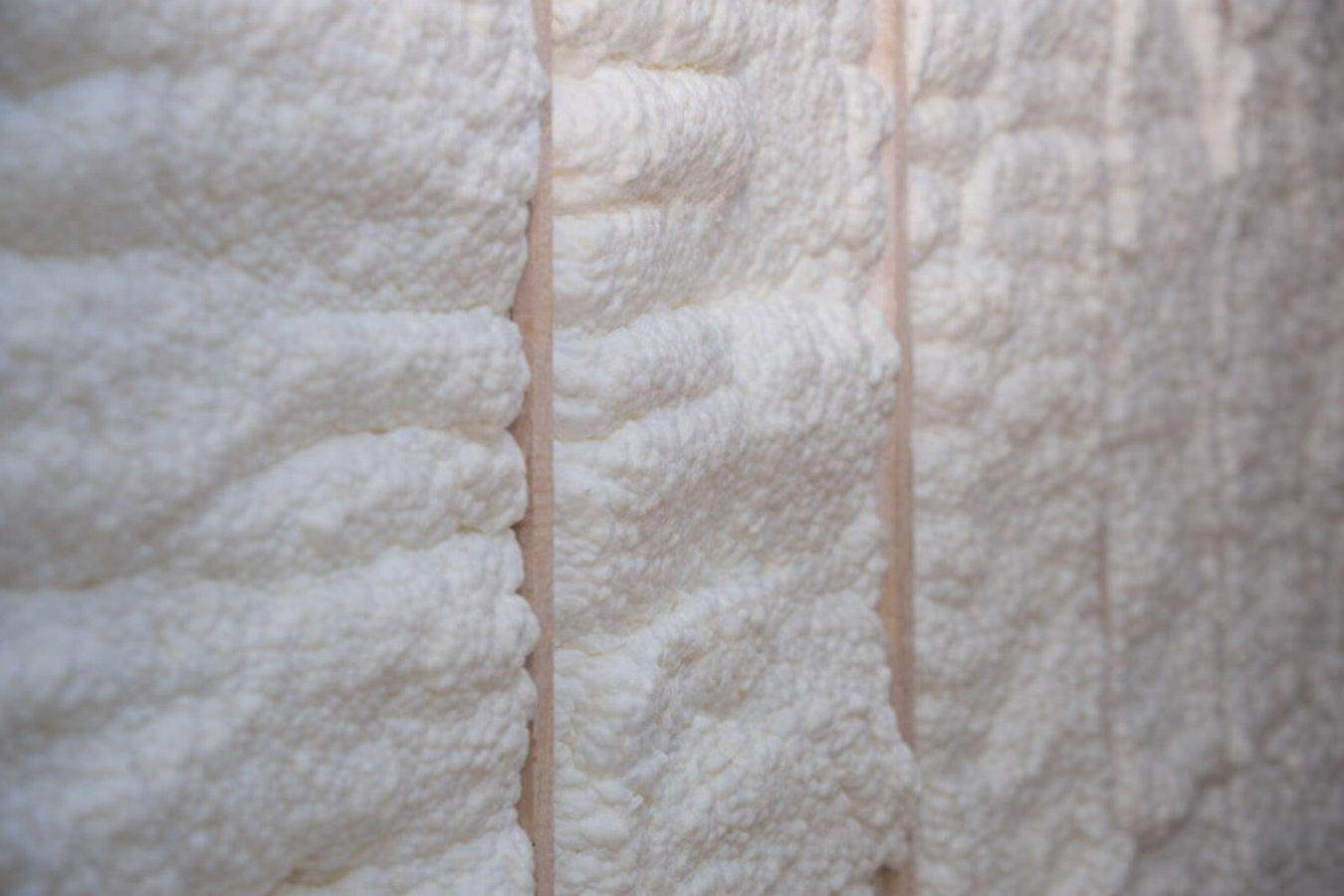
Essex homes built before 1990 are full of hidden gaps that let winter air in. Open-cell foam expands to fill those gaps and seals drafts that batts and blown-in insulation leave behind.
Open-cell foam insulation in Essex, VT is a spray-applied material that expands to fill cavities and cracks, air-sealing and insulating at the same time. Most residential jobs - an attic or a set of rim joists - are completed in a single day.
Unlike fiberglass batts or blown-in insulation, open-cell foam conforms to irregular framing and leaves no gaps for cold air to find. That makes it especially valuable in Essex and Essex Junction, where a large share of homes were built between the 1960s and 1990s and were never properly air-sealed. If you have already had closed-cell foam insulation installed in moisture-prone areas, open-cell foam is an effective complement in interior locations like attic rafters and interior walls.
The result is a home that holds heat through Vermont's long heating season without your furnace or boiler running constantly. If high bills or cold rooms have been a problem, this is often the most direct fix available.
If your heating costs keep climbing even though your habits have not changed, poor insulation is one of the most common causes. In Essex, where heating season stretches from October through April, a home that is not properly sealed can lose a large share of its heat before it warms the living space. That heat loss shows up directly on your fuel or electric bill.
A bedroom over the garage, a finished room on the north side, or a bathroom that stays cold no matter how high you set the thermostat are strong signals that insulation is inadequate or missing. This is especially common in Essex homes with additions or converted spaces built before air sealing became standard practice. Those rooms should feel like the rest of your house.
Hold your hand near an electrical outlet on an exterior wall on a cold day. If you feel a draft, cold air is traveling through the wall cavity into your living space. This is a clear sign that your insulation has gaps or was never air-sealed - a problem Essex homes built before the 1990s have more often than not.
Ice dams - the ridges of ice that build up at your roof's edge and can push water under your shingles - are almost always caused by heat escaping through a poorly insulated attic. They are a common problem throughout Essex and Chittenden County, and they get worse every year you wait. Insulation is the only permanent solution.
Our open-cell foam work covers the areas where air leaks and heat loss are most common in Essex homes - attic rafters and floors, rim joists along the foundation, and wall cavities in older homes that have never had proper insulation. We can also handle interior basement walls and crawl spaces in conditioned assemblies. If you are trying to decide between open-cell and closed-cell foam insulation, we will walk through the trade-offs at your in-home assessment so you can make the choice that fits your house and budget.
For buildings that go beyond a single home, we also offer commercial insulation for small offices, retail spaces, and multi-unit properties throughout the Essex area. Open-cell foam is frequently used in commercial applications as well, particularly in attic assemblies and interior wall cavities where air sealing and sound absorption both matter.
Best for homes losing heat through the roof and dealing with ice dams each winter.
Ideal for older Essex homes where the band of framing just above the foundation is uninsulated and drafty.
Suited to homes with exterior walls that have never been insulated or where old batts have settled and lost effectiveness.
Works well in conditioned crawl spaces and basement rim joists where an air seal is needed alongside insulation.
Essex sits in Chittenden County, where average January lows drop into the single digits and the heating season stretches from October through April. In that kind of cold, the small gaps that older insulation leaves behind - around electrical boxes, plumbing penetrations, and attic hatches - let in enough frigid air to make your heating system work overtime. Open-cell foam addresses this directly because it seals and insulates in a single step. Homeowners in Williston and throughout the greater Essex area have found that upgrading older fiberglass batts to spray foam produces a noticeable difference in comfort within the first heating season.
Vermont's combination of cold winters and humid summers also means moisture management matters. Open-cell foam allows some vapor to pass through, which can work in your favor in certain wall assemblies but requires careful planning in high-moisture areas. Our team assesses your specific home before recommending where open-cell foam makes sense and where a different approach - or a combination of materials - will serve you better. Homeowners in Colchester and surrounding towns face the same conditions and benefit from the same careful approach.
When you reach out, we will ask a few basic questions about your home and what areas you want to address. We reply within one business day, and most in-home assessments are scheduled within one to two weeks.
We walk through your attic, crawl space, or walls, take measurements, and look for existing moisture issues or old material that needs to come out first. You receive a written estimate within a few days with a clear explanation of what we found.
Before installation day, move stored items out of the work area and plan to be out of the home for two to four hours after spraying. Pets should stay away for the full day. We will remind you of everything you need to do before we arrive.
Our crew arrives with heated hose equipment and sprays the foam in controlled passes - most attic jobs finish in three to five hours. Before we leave, we walk you through the finished work and provide any paperwork needed for Efficiency Vermont rebates or federal tax credits.
Free estimate, written quote, no obligation. We reply within one business day.
(802) 876-8645We work regularly throughout Essex and Essex Junction, where a large share of homes were built from the 1960s through the 1990s. We know the framing quirks, the common gap locations, and the moisture patterns that come with homes of that era. That local knowledge means we spot problems other contractors miss.
We are familiar with Efficiency Vermont's rebate programs and can help you understand whether your project qualifies before you commit. Getting pre-approval is sometimes required, and knowing the process ahead of time saves you time and money.
Spray foam insulates and air-seals at the same time, but we also address the gaps around pipes, wires, and structural connections that foam alone does not cover. Doing both in a single visit is what produces the dramatic comfort and efficiency improvements that homeowners are hoping for.
We provide the product documentation and installation records you need to claim Efficiency Vermont rebates and the federal energy efficiency tax credit - currently up to 30% of qualifying project costs under the Inflation Reduction Act. You will not have to track that paperwork down later.
We document every open-cell foam project with photos and a written scope, so you always know exactly what was installed and where. We are happy to walk you through that record and share references from recent Essex-area jobs before you commit to anything. Asking for documented work and references is the kind of due diligence every homeowner should do.
Open-cell foam is widely used in commercial buildings - learn about full-building insulation solutions for Essex businesses.
Learn MoreCompare open-cell foam with its denser cousin to decide which type fits your specific location and budget.
Learn MoreVermont's heating season starts in October - schedule your free estimate now and be ready before the first hard freeze.