Loading...
Serving Essex, VT and surrounding areas. (802) 876-8645
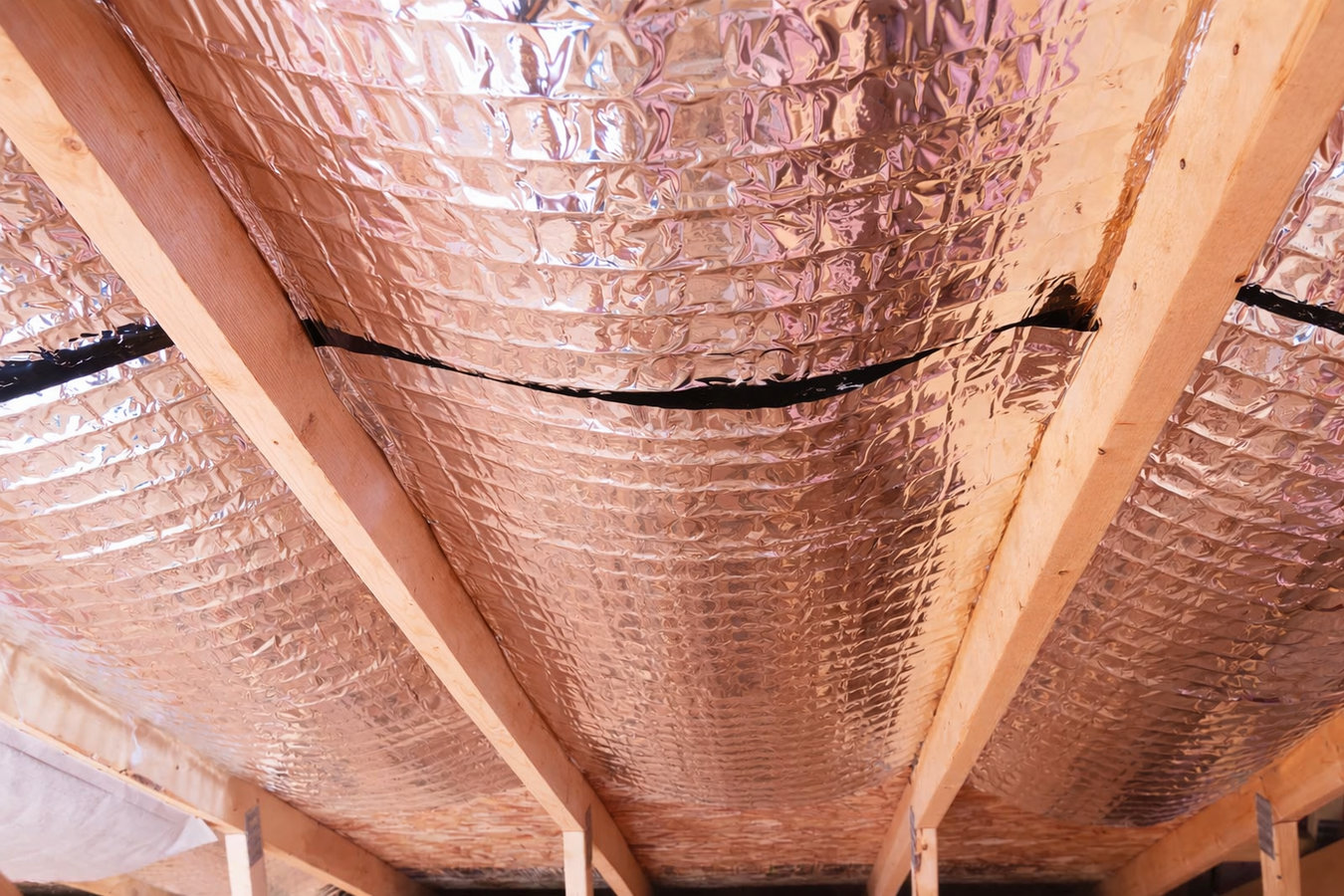
Most Essex homes were built before modern insulation standards. Retrofit insulation fills those gaps using specialized equipment - no demolition, no displaced family, just a warmer home.
Most Essex homes were built before modern insulation standards. Retrofit insulation fills those gaps using specialized equipment - no demolition, no displaced family, just a warmer home.
Retrofit insulation in Essex means adding insulation to a home that is already built - filling existing wall cavities, attic spaces, and other areas through small access points rather than opening up walls. Most projects are completed in one to two days, and you can stay in your home throughout the work.
This is different from insulating during new construction, where every cavity is open and accessible. In a retrofit project, contractors use specialized truck-mounted equipment to blow insulation material - typically cellulose or fiberglass - through holes drilled in your wall or attic surfaces. The holes are then patched and finished so they are barely visible. For most Essex homeowners, the disruption is far less than they expect, and the improvement in comfort is noticeable within the first heating season. Pairing the insulation work with spray foam insulation in hard-to-reach gaps ensures there are no thermal bypasses left behind after the blown-in material goes in.
If your home was built before 1980 and has never had an insulation upgrade, there is a strong chance the wall cavities have little or no insulation - or that whatever was there originally has settled or degraded over the decades. A home energy assessment will tell you exactly what you are working with before any money is spent on materials.
If your fuel or electric bills have been creeping up year after year - or if they spike dramatically every time Essex has a cold snap - that is often a sign your home is working harder than it should to stay warm. Heat escapes through under-insulated walls and attics, and your furnace or boiler has to run longer to compensate. A noticeable gap between what your neighbors pay and what you pay is worth investigating.
In a well-insulated home, temperatures should be fairly consistent from room to room. If certain rooms - especially those on exterior walls or above an unheated garage or crawl space - feel drafty or cold even when the heat is running, that is a strong signal that insulation is missing or inadequate in those areas. This is especially common in Essex homes built in the 1960s and 1970s, where wall insulation was often minimal or inconsistent.
If your attic feels warm when you go up there in January, heat is escaping from your living space through the attic floor. That escaping heat also melts snow on your roof unevenly, which refreezes at the eaves and forms ice dams. Ice dams are a common and costly problem in Essex, and inadequate attic insulation is one of the main causes. Adding insulation keeps the heat where it belongs and stops the melt cycle that drives the problem.
If you bought an older home in Essex and there is no record of insulation work being done, it is very likely the original insulation - if there was any in the walls - has settled, degraded, or was never adequate to begin with. You do not need to see a visible problem to have one. Many under-insulated homes feel fine until the first truly cold Vermont winter or until the heating bill arrives.
We handle retrofit insulation projects for attics, walls, and floors throughout Essex and the surrounding Chittenden County area. For attic work, we blow insulation in to bring the depth up to levels appropriate for Vermont's climate zone, working around existing insulation where it is still in reasonable condition. For wall insulation, we drill small access holes - typically from the exterior - fill each cavity completely, then patch and finish the holes so the exterior looks clean when we are done. We use blown-in cellulose and fiberglass, chosen based on the specific conditions in your home. In crawl space areas, we coordinate with wall insulation work to make sure the whole lower envelope is handled in the right sequence, particularly in homes where moisture has been a factor.
Before any material goes in, we assess the space for moisture issues, existing damage, and ventilation. Installing insulation over an unresolved moisture problem can trap dampness and cause more harm than good. We also review Efficiency Vermont rebate eligibility with you before the project starts and provide the documentation you need for any applicable federal tax credits after the work is complete.
Best for homes where the attic floor insulation is thin, settled, or inconsistent - we add blown-in material to bring coverage up to a level that actually performs through a Vermont winter.
For homes with little or no wall insulation - we fill existing cavities through small drilled holes without opening up your walls, then patch and finish the access points.
For older Essex homes that need comprehensive attention - combines attic, wall, and floor work into a single coordinated project with one mobilization and one rebate application.
For homes where both air leakage and insulation are deficient - air sealing is done first, then insulation is added, so the two improvements reinforce each other rather than one undermining the other.
Essex sits in Chittenden County, where average January lows regularly drop into the single digits and the heating season runs from October through April. That is a long stretch of time when an under-insulated home is actively costing you money every day. Essex and Essex Junction have a large share of housing stock built between the 1950s and 1980s - a period when insulation requirements were much lower than they are today. Many of these homes have little or no wall insulation, and attic insulation that has settled or compressed over decades. Vermont's wet winters add another layer of concern: moisture working into wall cavities and attic spaces can degrade existing insulation further and create conditions for mold. A good contractor assesses your home's moisture situation before choosing a material - this is especially relevant in neighborhoods near Five Corners in the Junction or in homes on larger wooded lots where drainage and humidity vary by site. Homeowners in Williston face the same combination of older housing stock and Vermont winters, and retrofit insulation has been a high-return investment across this part of Chittenden County.
Vermont is also one of the few states with a dedicated energy efficiency utility. Efficiency Vermont offers rebates for insulation upgrades, and some programs include a subsidized home energy assessment to identify where your home is losing the most heat before you spend anything on materials. The Efficiency Vermont rebate programs are available to Essex homeowners who work with participating contractors - which is one reason checking rebate eligibility before hiring anyone is worth the five-minute conversation. Families we work with in Hinesburg and across the county have combined these rebates with the federal energy efficiency tax credit to meaningfully reduce their total project cost.
You reach out by phone or through our contact form. We ask a few basic questions about your home's age, size, and what has been prompting your concern. You do not need any technical knowledge going into this call - just describe what you have been noticing. We respond within 1 business day.
We walk through your home and look at your attic, walls, and any crawl spaces or basement areas. We check how much insulation is already there, whether moisture issues need to be addressed first, and where the biggest heat loss is happening. Some assessments include a thermal camera or blower door test for a clearer picture. This visit typically takes one to two hours.
We provide a written estimate that explains what work we recommend, what materials we will use, and what it will cost. We also walk you through Efficiency Vermont rebate eligibility and any federal tax credits that may apply to your project, so the total cost picture is clear before you decide.
The crew arrives with a truck-mounted blowing machine and completes the work in one to two days. Before leaving, we walk you through what was done and provide documentation - material type, coverage area, and depth - that you will need for rebate claims, tax credits, and future home sales. No follow-up scramble required.
Free estimate. We assess your home, explain exactly what we recommend, and walk you through available rebates - no obligation to proceed.
(802) 876-8645A large share of Essex homes were built between the 1950s and 1980s - and every era has its own quirks when it comes to insulation and air sealing. We work in these homes regularly. That means we know what to expect inside a 1970s split-level or a 1960s ranch before we open up a wall, which saves time and avoids surprises on your end.
We photograph every retrofit project and give you a written scope of what was installed and where. Working with an experienced crew that documents its work means you have a clear record if a question ever comes up - and that the people in your home know exactly what they are doing, not just showed up with a truck.
Rebates are only useful if the paperwork is done right. We document insulation projects with the material type, coverage area, and depth measurements that Efficiency Vermont requires - so you actually receive the incentives you are entitled to. We have seen homeowners miss out on rebates because a previous contractor failed to provide the right records. We make sure that does not happen.
Vermont's wet winters mean moisture is always a consideration. We assess your home's moisture situation before choosing materials and approach - because insulating over a damp wall cavity can trap moisture and cause more damage than the original lack of insulation. The U.S. Department of Energy recommends addressing moisture before adding insulation, and we follow that sequence.
These are not abstract credentials - they are the practical details that determine whether a retrofit insulation project actually improves your home or just looks good on paper. In Essex, where winters are long and the housing stock is old, doing the job right matters more than doing it fast.
For areas where blown-in material is not the right fit - spray foam seals and insulates in a single application, ideal for rim joists, irregular cavities, and tight crawl spaces.
Learn MoreFocused wall insulation work for homes where exterior walls are the main source of heat loss, with material and access method chosen for your specific wall construction.
Learn MoreVermont's heating season is long - the sooner your home is properly insulated, the sooner you stop paying for heat that is escaping through your walls and ceiling.