
Loading...
Serving Essex, VT and surrounding areas. (802) 876-8645
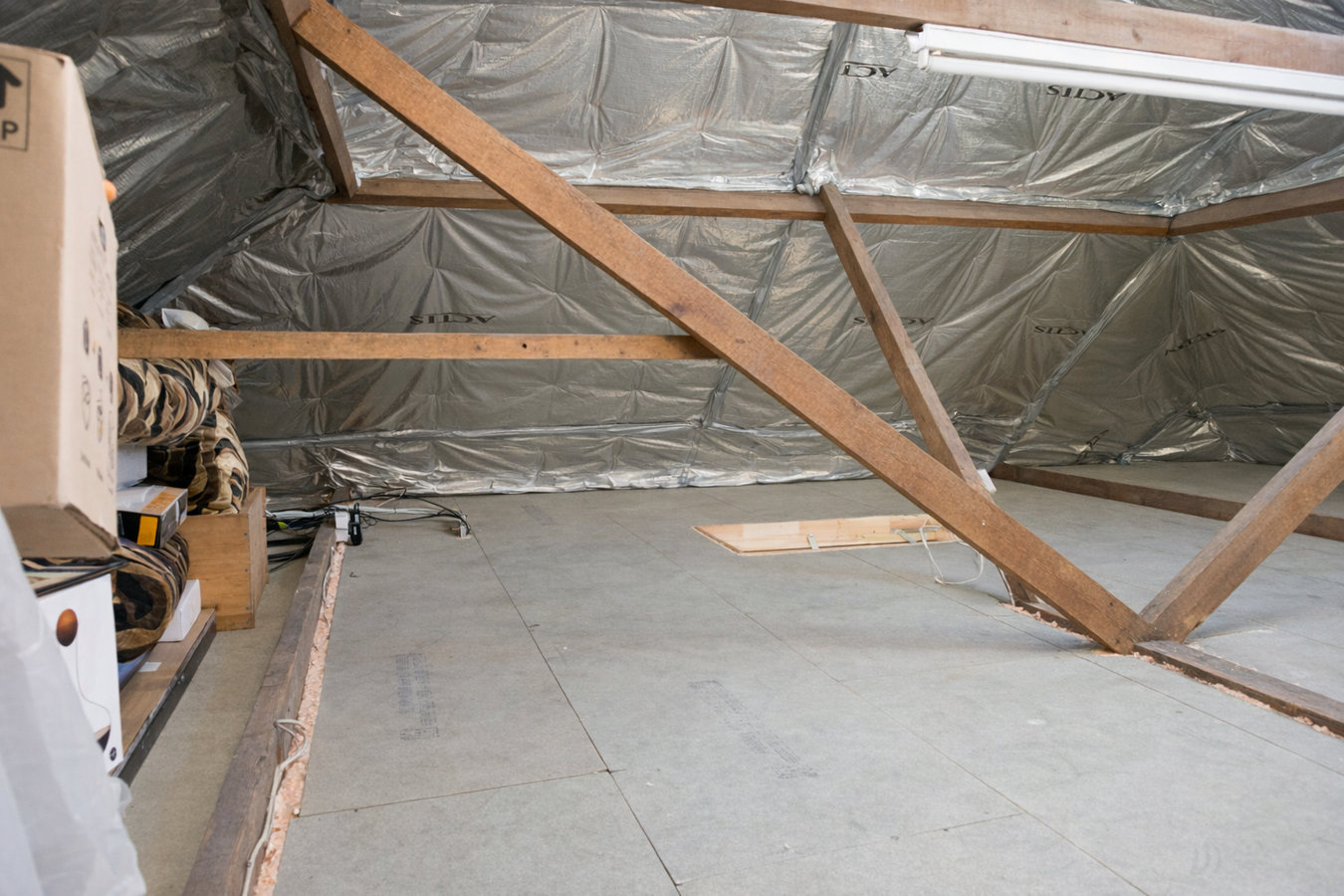
Essex Insulation handles attic insulation, blown-in insulation, and spray foam for Winooski homeowners. We know this city's dense, older housing stock well, and we have been serving Chittenden County since 2015 - with free estimates and replies within one business day.
Winooski homes built before 1960 - and that is most of them - rarely have attic insulation that meets today's R-value requirements, which means heat rises straight out of the house all winter long. Getting the attic properly insulated stops that loss at the source and also reduces the risk of ice dams forming on older roofs with shallow overhangs. Find out more about attic insulation services and how they apply to Winooski's older housing stock.
Winooski's older wood-frame homes and duplexes almost always have finished walls with no easy way to open them up for traditional batt insulation, making blown-in the practical choice. The material gets pumped in through small drilled holes that are patched after installation, so the work is minimally disruptive to occupied homes and multi-family units.
In Winooski's century-old homes, uninsulated rim joists and foundation gaps are a direct path for cold air to enter the living space in winter. Spray foam seals those openings permanently and adds insulation value in one application, which is why it's one of the most effective upgrades for older homes in this city.
Old homes in Winooski were not built with air barriers, so gaps around electrical boxes, plumbing penetrations, and attic hatches let conditioned air escape constantly. Air sealing combined with insulation upgrades delivers a noticeably more comfortable home and a meaningful drop in heating costs through Vermont's long winters.
Many Winooski homes have uninsulated concrete or stone basements that act as a cold slab under the first floor all winter. Insulating the basement walls or ceiling separates the living space from that cold mass and also helps protect pipes from freezing during the hardest January nights.
Some Winooski properties, especially older duplexes near the river, have partial crawl spaces under additions or rear sections of the building. These uninsulated spaces push cold air up through the floor directly into living areas and are often the reason ground-floor rooms never feel warm enough no matter how high the heat is set.
Winooski is one of Vermont's densest cities, and most of its housing stock was built before 1960 - long before Vermont adopted its current energy codes. The typical Winooski home is a wood-frame building with finished walls, an uninsulated attic, and a basement that was never designed to be part of the thermal envelope. Vermont winters hit this city just as hard as anywhere in Chittenden County, with temperatures regularly dropping below zero and heating season stretching from October to April. Homes without proper insulation pay for it in energy bills every single month.
The city's mix of single-family homes, duplexes, and multi-family buildings also means insulation work has to account for shared walls, multiple tenants, and sometimes owner-occupants who live in one unit while renting others. The Winooski River creates additional moisture exposure for homes on the lower streets, where spring flooding and groundwater are real concerns that affect basement and crawl space conditions. Getting insulation right in this environment means understanding the specific building type and its history, not just following a one-size-fits-all approach.
Our crew works throughout Winooski regularly, and the thing that stands out most about this city is the age and density of the housing. On almost every block between the Winooski Circle and the streets up the hill above Main Street, you find early 20th-century wood-frame homes built close together on narrow lots. These homes need a different approach than a 1990s suburban house, and contractors who only work in newer construction sometimes don't know what to expect when they open up an attic or basement in a pre-war building.
The Champlain Mill area along the Winooski River has newer condo and commercial buildings that present their own set of conditions, but most of our residential work in Winooski happens on the older streets above. The city is compact enough that we can cover it quickly, and because it sits right next to Burlington, we often schedule multiple jobs in the same corridor on the same day.
We frequently serve customers in Burlington, VT right next door, where we see similar pre-war housing conditions. We also work regularly in Colchester, just north of Winooski, where the building stock shifts to postwar and newer construction.
Reach us by phone or through the contact form and tell us what you're dealing with - high heating bills, a cold room, or a specific area you want addressed. We respond within one business day, and most Winooski customers hear back the same day they reach out.
We visit your Winooski home, inspect the attic, basement, walls, or crawl space, and give you a written estimate before any work begins. There is no charge for the estimate, and we explain exactly what we found so you understand the scope before committing to anything.
Once you approve the quote, we schedule the installation and handle any permits required by the State of Vermont. For most Winooski jobs, the work itself takes one day, and we clean up before leaving so the space is ready to use the same afternoon.
After the job is done, we walk you through what was installed so you can see the finished work. If any questions come up after we leave, you can call us directly - we stand behind every job we complete in Winooski.
We serve Winooski homeowners with free estimates and no-pressure assessments. Call us or submit the form and we will get back to you within one business day.
(802) 876-8645Winooski is one of the smallest cities in Vermont by land area, covering just about 1.5 square miles on the north bank of the Winooski River directly adjacent to Burlington. Despite its size, Winooski has roughly 7,300 residents packed into a dense mix of single-family homes, duplexes, and multi-family buildings. Most of the residential streets date to the early 20th century, when Winooski was a mill town producing textiles along the river. The Champlain Mill, a converted 19th-century textile mill now home to shops and restaurants, anchors the riverfront and is one of the most recognizable buildings in the city.
The city has grown in recent years and become one of the most ethnically diverse communities in Vermont, with a lively downtown centered on the Winooski Circle where Main Street and East Allen Street meet. Newer condo and apartment developments near the river sit alongside the older wood-frame homes that make up most of the residential neighborhoods on the higher streets. Homeowners here are close to the University of Vermont Medical Center and Burlington's downtown - both just minutes away. Our team also serves Essex, VT, a short drive east, where we work on similar mid-century and older housing.
Creates an airtight seal that maximizes energy efficiency in any space.
Learn MoreHigh-density foam offering superior R-value and moisture resistance.
Learn MoreProfessional insulation solutions for commercial and industrial buildings.
Learn MoreBlocks moisture intrusion to protect your foundation and air quality.
Learn MoreCall us today or submit the contact form - we serve Winooski and all of Chittenden County and respond within one business day.