Loading...
Serving Essex, VT and surrounding areas. (802) 876-8645
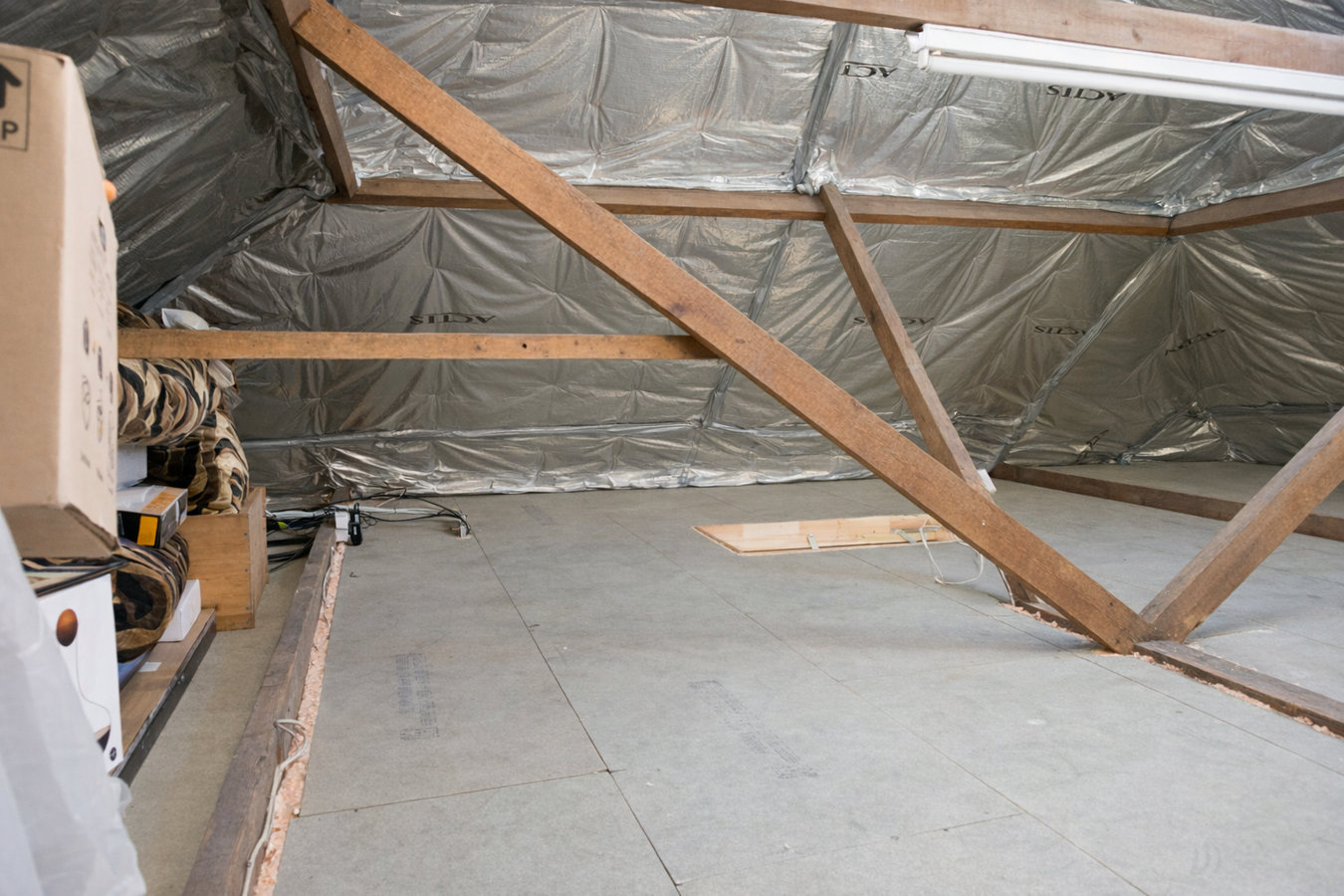
Heat rises, and if your attic isn't stopping it, you're paying to warm the outdoors every winter. Proper attic insulation - done with air sealing first - is the most effective single upgrade most Essex homes can make.
Attic insulation in Essex, VT slows heat loss through your ceiling, reduces ice dam formation, and lowers heating bills - most jobs are completed in a single day and include proper air sealing before new material is added.
Heat rises. In a Vermont winter, that means every degree you pay your furnace to create travels upward toward the ceiling and, if there's nothing stopping it, straight out through the roof. Essex homeowners deal with this every October through April, and the older the home, the worse the problem tends to be. Most houses in this area were built before modern insulation standards, which means their attics are starting well below where they should be.
Good attic insulation starts with sealing the air gaps first - around light fixtures, plumbing pipes, anywhere wires pass through. Without that step, warm air bypasses the insulation entirely. Once those bypasses are closed, blown-in insulation fills the attic floor completely, including corners and irregular spaces that batts often miss. If your concern extends beyond the attic to the basement or crawl space, our attic air sealing service covers the air-bypass step specifically.
If your fuel or electric bills have gone up noticeably over the past few winters without any change in your habits, the attic is the first place to check. Heat rises, and if there's nothing stopping it from escaping through the ceiling, your furnace runs harder and longer every day of the heating season. This is especially common in Essex homes built before the 1980s, where the original insulation has had decades to settle and thin out.
Ice dams - those ridges of ice that build up at the edge of the roof after a snowfall - form when heat escaping through your attic melts snow unevenly. Essex winters produce exactly the conditions that cause them: heavy snowfall followed by cold snaps that refreeze the meltwater. If you've seen icicles hanging from your eaves or water stains on your ceiling after a warm spell, your attic insulation is almost certainly part of the problem.
If the rooms on your top floor are always chilly no matter how high you set the thermostat, the ceiling above them isn't holding heat the way it should. This is different from a drafty window or heating vent problem - it's a steady, pervasive cold that doesn't go away. Touching the ceiling on a cold day and finding it noticeably cool is a simple way to confirm the suspicion.
The attic access panel is one of the most commonly overlooked spots in a home's thermal envelope. If you feel cold air coming down around the hatch on a winter day, or if the hatch itself feels cold to the touch, it's a sign that the attic above it is poorly insulated and poorly sealed. This is a quick fix on its own, but it usually points to a larger insulation gap worth addressing.
Every attic insulation job starts with a thorough inspection - measuring existing depth, checking for moisture damage or pest activity, and identifying the air bypasses that need to be sealed before new material goes in. We offer blown-in insulation for most attic upgrades because it fills corners and irregular spaces more completely than batts - the right choice for the older, irregular framing common in Essex homes. For homes where air movement between floors is the main problem, attic air sealing addresses the bypasses that let warm air bypass the insulation layer entirely.
We inspect what's already in your attic before recommending removal. If existing insulation is dry, free of mold, and undisturbed by pests, we add new material on top - which saves you money. When removal is necessary, we handle it and explain why before starting. Every job includes documentation of the installed depth, which you'll need for Efficiency Vermont rebate claims.
The most effective choice for existing homes - fills every corner and irregular space to the recommended depth for Vermont's climate zone.
Sealing bypasses around fixtures and pipes before adding insulation - the step that separates a complete job from one that underperforms.
Recommended only when necessary - moisture damage, rodent activity, or old vermiculite material are the main reasons to remove before adding new.
One of the most overlooked spots in the thermal envelope - adding an insulated cover to an unprotected hatch delivers an immediate improvement.
Essex sits in Vermont's cold climate zone, where heating season stretches from October through April and average January temperatures regularly drop well below zero. The U.S. Department of Energy recommends attic insulation levels for this zone that are among the highest in the country. Most homes in Essex - and across Chittenden County - were built between the 1960s and 1990s, well before those standards existed. If your home falls in that range, there's a good chance the original insulation has had decades to settle, compress, and lose a significant portion of its effectiveness.
Ice dams are a direct result of this heat loss - and Essex homeowners deal with them regularly during heavy snow winters. Heat escaping through a poorly insulated attic melts snow on the roof, which refreezes at the cold eaves and backs up under the shingles. The water damage that follows can be expensive and slow to show up. Homeowners in nearby Winooski and throughout Colchester face the same conditions every winter. Proper attic insulation addresses the source of the problem, not just the symptom. Efficiency Vermont - the state's own energy efficiency utility - offers rebates for attic insulation and air sealing work, and Essex homeowners are fully eligible.
We respond within 1 business day. A brief conversation covers your home's age, size, and what's prompting you to call - ice dams, high heating bills, or a recent energy audit. That helps us come prepared.
A contractor visits, accesses the attic, measures existing insulation depth, and looks for moisture, pest activity, or air gaps that need to be addressed first. You receive a written estimate separating air sealing and insulation costs.
Your only job before installation day is to clear a path to the attic hatch. Move any furniture or stored items blocking it. We handle everything else, including protecting your floors and belongings near the work area.
The crew seals air bypasses first, then adds insulation to the recommended depth across the entire attic floor. Before leaving, we show you before-and-after documentation and give you everything needed for your Efficiency Vermont rebate claim.
We respond within 1 business day. No pressure, no obligation - just a clear picture of what your attic needs, what it will cost, and which Efficiency Vermont rebates apply to your project.
(802) 876-8645We seal the bypasses - around fixtures, pipes, and framing gaps - before adding a single inch of new material. Contractors who skip this step produce jobs that underperform from the first winter. Sealing first is non-negotiable for us.
We photograph every attic before and after installation and keep a record of what was installed and where. That matters when you sell your home and a buyer's inspector asks about the work history.
We provide before-and-after documentation of your attic, confirm the depth of installed material, and give you everything needed for your Efficiency Vermont rebate claim. A contractor who does good work has nothing to hide.
We've worked in older neighborhoods near Essex Junction's Five Corners and in newer subdivisions across Chittenden County. We know what homes here look like from the inside and what the most common attic problems are in this housing stock.
We've earned the trust of Essex homeowners by doing the full job - sealing, insulating, documenting, and walking you through it before we leave. For installation quality standards, the North American Insulation Manufacturers Association publishes guidelines on proper attic insulation installation that are worth reviewing if you want to know what to expect from a quality contractor. Efficiency Vermont's Home Performance rebate program is the fastest way to understand what financial help is available for your project.
Learn about blown-in insulation specifically - the most common material used in attic upgrades for existing Essex homes.
Learn MoreAir sealing must come before new insulation - closing attic bypasses is what makes the insulation actually work.
Learn MoreCall today or submit a request online. Every week without proper insulation is money leaving through your roof.